Embarking on a Carnival cruise has been a popular pastime for many seeking respite and adventure on the open seas. As the world grapples with the ongoing COVID-19 pandemic, individuals are faced with the question of whether they can still indulge in this leisure activity without being vaccinated.
The ability to cruise on Carnival without a vaccine holds great significance, allowing individuals who are ineligible or hesitant to receive the vaccine to experience the joys of cruising. It provides a sense of normalcy and freedom during a time defined by uncertainty.
Exploring the nuances of cruising on Carnival without a vaccine necessitates an in-depth examination of the cruise line's policies, the prevailing health and safety protocols, and the potential risks and considerations involved. This article aims to provide comprehensive insights into these aspects, guiding readers in making informed decisions about their travel plans.
Can You Cruise on Carnival Without a Vaccine?
Understanding the essential aspects surrounding this question is crucial for informed decision-making. Key considerations include:
- Cruise Line Policies
- Health and Safety Protocols
- Risks and Considerations
- Alternative Options
- Future Implications
These aspects encompass the complex interplay between personal health choices, industry regulations, and the evolving public health landscape. Understanding their nuances empowers individuals to make choices that align with their needs and preferences.
Cruise Line Policies
Cruise line policies play a pivotal role in shaping the landscape of cruising without a vaccine. These policies establish the rules and guidelines that govern the operations of cruise lines, ensuring the health and safety of passengers and crew.
- Vaccination Status: Cruise lines have implemented varying policies regarding vaccination requirements. Some lines require all passengers to be fully vaccinated, while others allow unvaccinated passengers to cruise with additional restrictions.
- Pre-Cruise Testing: For unvaccinated passengers, pre-cruise testing is often required to mitigate the risk of onboard transmission. The type of test required and the timing of the test may vary depending on the cruise line.
- Onboard Protocols: Cruise lines have implemented enhanced onboard protocols to minimize the spread of COVID-19. These protocols may include mask mandates, social distancing measures, and increased cleaning and disinfection.
- Disembarkation Requirements: Cruise lines may have specific disembarkation requirements for unvaccinated passengers, such as additional testing or quarantine measures.
Understanding and adhering to cruise line policies is essential for unvaccinated individuals who wish to cruise. These policies provide a framework for a safe and enjoyable cruise experience while mitigating the risks associated with COVID-19.
Health and Safety Protocols
Health and safety protocols play a critical role in enabling individuals to cruise on Carnival without a vaccine. These protocols are designed to minimize the risk of COVID-19 transmission onboard, creating a safer environment for both vaccinated and unvaccinated passengers.
A key component of these protocols is pre-cruise testing for unvaccinated passengers. This testing helps to identify and isolate individuals who may be infected with COVID-19 before they board the ship, reducing the likelihood of an outbreak onboard. Additionally, cruise lines have implemented enhanced cleaning and disinfection measures, increased ventilation, and reduced capacity limits to further mitigate the risk of transmission.
Real-life examples of these protocols in action include Carnival's requirement for unvaccinated passengers to provide proof of a negative COVID-19 test taken within 48 hours of embarkation. The cruise line also conducts daily temperature checks for all passengers and crew, and provides masks and hand sanitizer throughout the ship. These measures have been effective in reducing the risk of COVID-19 transmission onboard Carnival ships, allowing unvaccinated individuals to cruise with greater peace of mind.
Understanding the connection between health and safety protocols and the ability to cruise on Carnival without a vaccine is essential for making informed decisions about travel plans. These protocols are a critical component of ensuring the health and safety of all passengers and crew, and they play a vital role in making cruising accessible to a wider range of individuals.
Risks and Considerations
Cruising on Carnival without a vaccine involves certain risks and considerations that should be carefully weighed before making a decision. These risks range from the potential for contracting COVID-19 to the implications of additional restrictions and protocols.
- Health Risks: Unvaccinated individuals are at a higher risk of contracting COVID-19, especially in close quarters like a cruise ship. Symptoms can range from mild to severe, and in some cases, COVID-19 can lead to hospitalization or even death.
- Spread to Others: Unvaccinated individuals who contract COVID-19 can spread the virus to others, including vaccinated individuals, those who are immunocompromised, and children who are not yet eligible for vaccination.
- Additional Restrictions: Cruise lines have implemented additional restrictions for unvaccinated passengers, such as pre-cruise testing, mask mandates, and limited access to certain areas of the ship. These restrictions can impact the overall cruise experience.
- Disembarkation Challenges: Unvaccinated passengers may face additional challenges when disembarking the ship, such as quarantine requirements or difficulty re-entering their home country.
Understanding and considering these risks is essential for unvaccinated individuals who are contemplating cruising on Carnival. Weighing these risks against the potential benefits of cruising can help individuals make an informed decision that aligns with their health and travel preferences.
Alternative Options
Alternative options play a significant role in the context of "can you cruise on Carnival without a vaccine". These options provide individuals with choices and flexibility in planning their cruise experience, particularly in light of varying vaccination statuses and preferences.
A key alternative option is the availability of private charters. Private charters allow individuals or groups to rent an entire ship, giving them greater control over the itinerary, health and safety protocols, and overall experience. This option can be more expensive than traditional cruises, but it offers a higher level of customization and privacy, especially for unvaccinated individuals.
Another alternative option is to choose cruise lines that cater specifically to unvaccinated passengers. These cruise lines may have less stringent vaccination requirements, allowing unvaccinated individuals to cruise without facing additional restrictions or protocols. However, it's important to note that these cruise lines may have a limited selection of itineraries and departure ports compared to larger cruise lines.
Understanding the availability of alternative options empowers individuals to make informed decisions about their cruise plans, regardless of their vaccination status. By considering these options and weighing their benefits and drawbacks, individuals can choose the approach that best aligns with their health, safety, and travel preferences.
Future Implications
The question of whether one can cruise on Carnival without a vaccine extends beyond the immediate concerns of health and safety protocols. It also raises implications for the future of cruising and the broader travel industry.
- Changing Industry Standards: The pandemic has accelerated the adoption of new health and safety measures in the cruise industry. These measures, such as pre-cruise testing and enhanced cleaning, may become standard practice even after the pandemic subsides, potentially impacting the cruising experience for all passengers.
- Vaccine Mandates: The implementation of vaccine mandates by cruise lines has sparked debate about the potential for similar mandates in other industries. This could have far-reaching implications for employment, travel, and personal autonomy.
- Passenger Preferences: The pandemic has shifted passenger preferences towards smaller ships and more exclusive experiences. This trend may continue in the future, as passengers seek greater control over their health and safety while traveling.
- Technological Advancements: The pandemic has also accelerated the development and adoption of new technologies, such as touchless check-in and facial recognition. These technologies may become more prevalent in the future, enhancing the cruise experience and reducing the risk of transmission.
The future implications of cruising without a vaccine are multifaceted and far-reaching. These implications touch upon industry standards, passenger preferences, and the broader societal discourse on health and safety. As the cruise industry navigates the post-pandemic landscape, it will be essential to consider these implications and adapt to the evolving needs of passengers and society.
Frequently Asked Questions
This FAQ section aims to provide answers to common questions and clarify aspects related to cruising on Carnival without a vaccine.
Question 1: Is it possible to cruise on Carnival without a vaccine?
Yes, Carnival allows unvaccinated individuals to cruise with additional measures in place, such as pre-cruise testing and potential restrictions onboard.
Question 2: What are the pre-cruise testing requirements for unvaccinated passengers?
Unvaccinated passengers must provide proof of a negative COVID-19 test taken within 48 hours of embarkation. The type of test accepted may vary depending on the departure port.
Question 3: Are there any onboard restrictions for unvaccinated passengers?
Carnival may implement certain restrictions for unvaccinated passengers, such as mask mandates, limited access to certain areas of the ship, and designated dining times.
Question 4: What are the potential risks of cruising without a vaccine?
Unvaccinated individuals have a higher risk of contracting and spreading COVID-19, potentially leading to health complications and impacting the experience of other passengers and crew.
Question 5: Are there alternative options for unvaccinated individuals who wish to cruise?
Private charters or cruise lines that cater specifically to unvaccinated passengers may provide alternative options, offering varying levels of flexibility and restrictions.
Question 6: How might cruising without a vaccine impact the future of the industry?
The pandemic has accelerated the adoption of new health and safety measures, potentially leading to lasting changes in industry standards and passenger preferences.
These FAQs provide a concise overview of key considerations, risks, and alternatives related to cruising on Carnival without a vaccine. For further information and the latest updates, it is advisable to consult official sources and the Carnival website.
Moving forward, the article will delve deeper into the implications and considerations for unvaccinated individuals planning a Carnival cruise.
Tips for Cruising on Carnival Without a Vaccine
This section provides actionable tips to help unvaccinated individuals plan a safe and enjoyable Carnival cruise.
Tip 1: Pre-Plan and Prepare: Research cruise policies, testing requirements, and any potential restrictions for unvaccinated passengers. Pack essential items like masks and hand sanitizer.
Tip 2: Consider Private Charters: Private charters offer flexibility and control over health and safety measures, allowing unvaccinated individuals to customize their cruise experience.
Tip 3: Opt for Unvaccinated-Friendly Cruise Lines: Certain cruise lines cater specifically to unvaccinated passengers, providing less stringent vaccination requirements and potentially fewer restrictions.
Tip 4: Get Tested Before Cruising: Obtain a negative COVID-19 test within the required timeframe and bring proof of the test to embarkation.
Tip 5: Follow Onboard Protocols: Adhere to mask mandates, social distancing guidelines, and any other health and safety measures implemented by Carnival.
Tip 6: Monitor Health Conditions: Pay attention to your health and seek medical attention if you experience any symptoms of COVID-19.
Tip 7: Consider Travel Insurance: Protect yourself against unexpected events or medical emergencies that may arise during your cruise.
Tip 8: Be Respectful and Understanding: Respect the decisions of others and understand that some passengers and crew may be vaccinated or have underlying health conditions.
By following these tips, unvaccinated individuals can increase their chances of having a safe and enjoyable Carnival cruise experience.
Moving forward, the article will delve into the implications and considerations for unvaccinated individuals planning a Carnival cruise, exploring the potential risks, benefits, and alternative options available.
Conclusion
Cruising on Carnival without a vaccine is a complex issue with implications for personal health, industry standards, and societal norms. While Carnival allows unvaccinated individuals to cruise with additional measures in place, there are risks and considerations to be aware of, including the potential for contracting and spreading COVID-19, as well as onboard restrictions and future industry changes.
For unvaccinated individuals considering a Carnival cruise, it is crucial to weigh the risks and benefits, consider alternative options such as private charters or unvaccinated-friendly cruise lines, and take steps to mitigate risks such as pre-cruise testing and adhering to onboard protocols. By doing so, unvaccinated individuals can make informed decisions and plan a safe and enjoyable cruise experience.
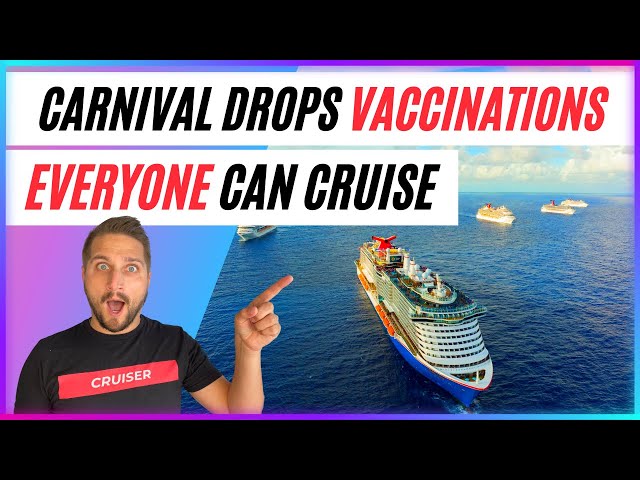
Youtube Video:


No comments:
Post a Comment